
Introduction
When food photos get 2.3x the likes of everyday shots on social media, and 85% of food creators say good visuals directly drive reach—“looks” matter as much as taste. The 2024 Food Content Creation Report shows professional photography and layout increases dwell time by 60% and saves by 45%. Yet many delicious dishes look flat in photos, and layouts feel chaotic. This guide breaks down 5 core photography techniques and 4 layout rules so even beginners can shoot “mouthwatering” visuals and design professional pages.
I. Core Photography Techniques: The Magic of Light and Composition
Great food photography relies on light, composition, and detail—not expensive gear. With these, phones can look pro.
1. Lighting: the #1 determinant of quality
Light is the soul; wrong light drains appeal.
- Prefer natural light: Shoot near windows at 9–11 am or 3–5 pm; place food slightly toward the light for soft shadows and depth; diffuse harsh light with a sheer curtain if needed.
- Avoid overhead direct light: It creates harsh shadows and makes food look dry and dull—especially bad for soups and baked goods.
- Easy fill: Use white foam board or foil to reflect light into shadows for a cleaner, brighter look.
2. Composition: make food the focal point
Good composition guides the eye and reduces clutter.
- Center composition: Perfect for whole items—cakes, burgers, full plates—on clean backgrounds for maximum impact.
- Diagonal composition: Align utensils or ingredients diagonally; great for long foods (noodles, baguettes) or group servings—adds motion and extension.
- Triangular composition: Arrange main dish and props to form a triangle—stable and layered; ideal for set meals.
- White space: Keep 30–40% blank (tablecloths/wood backgrounds) to avoid crowding and elevate the subject.
3. Props: atmosphere boosters
Use props for depth; avoid clutter.
- Basics: Wood trays, white ceramics, rustic pottery; cotton-linen cloth, bamboo mats for organic vibes.
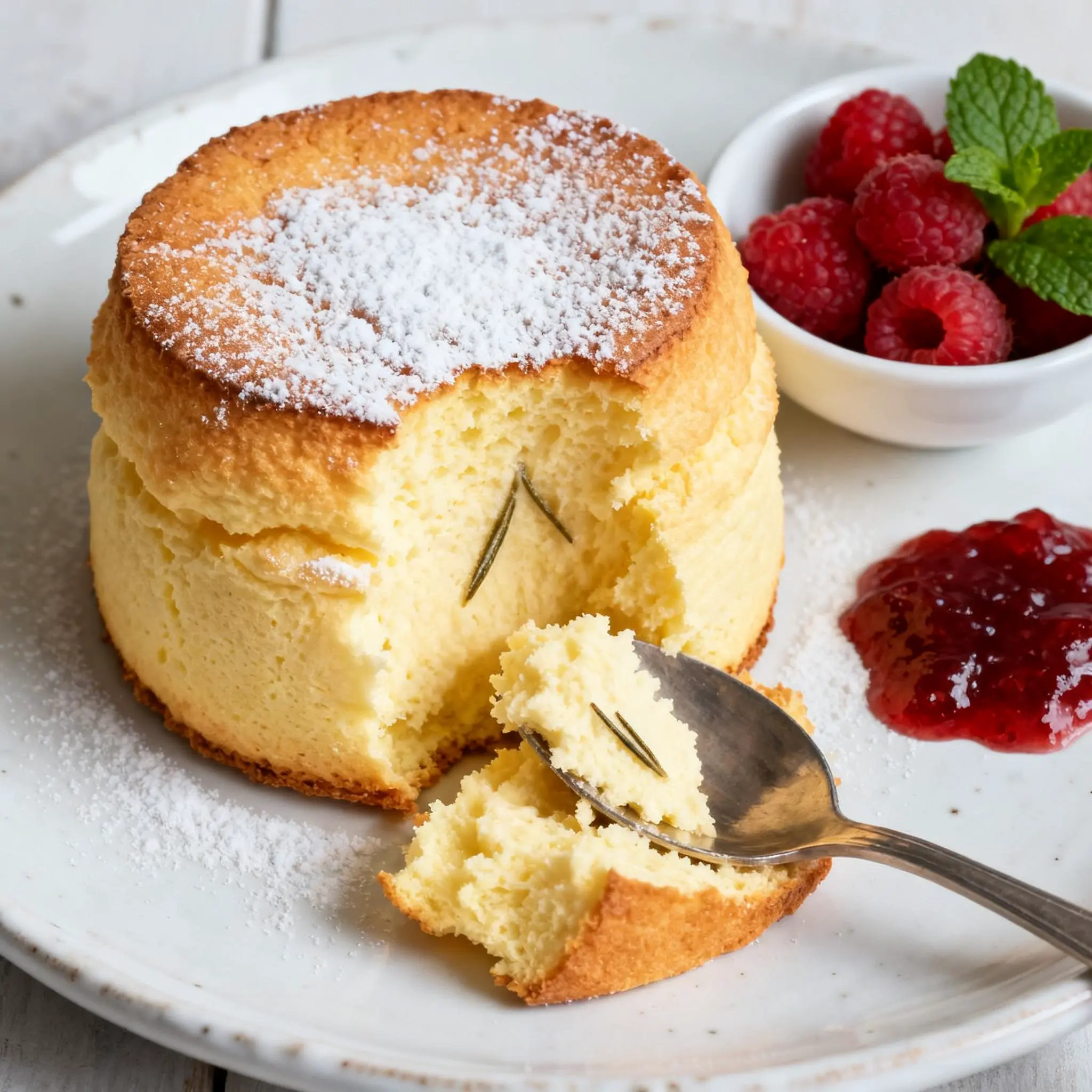
- Mood props: Fresh herbs, dried flowers, wooden cutlery, vintage spoons; add steam for hot dishes for life-like warmth.
- Pitfalls: Limit to ≤3 colors; avoid busy patterns; don’t duplicate similar props.
4. Angles: show the best side
Angle by food type.
- Overhead (90°): Flat dishes—pizza, sushi, salads—for clean, organized shots.
- 45°: Most common—soups, hotpot, burgers, cakes—showing front and side for depth and layers.
- Eye-level: Tall items—sandwiches, burgers, layered cakes, stemware—to emphasize height and immersion.
5. Details: the secret to appetite appeal
Details add story.
- Action: Drizzles, cutting reveals, first bites, noodle lifts—dynamic visuals trigger cravings.
- Texture macro: Crusts, marbling, creamy ice cream, dewy fruits—use macro mode to showcase texture.
II. Layout Design Rules: Harmonious Visuals with Text
Great content needs great layout—clear visuals and readable text improve UX and reach.
1. Color pairing: harmonious and appetizing
Color is the first language.
- Main + accent + highlight: Use the food’s dominant hue as main, 1–2 accents (white, beige, light wood), and small highlights (greens, black accents) at a 7:2:1 ratio.
- Pitfalls: Avoid large high-saturation clashes; keep backgrounds light (white, beige, light gray) so food colors pop.
2. Image-text ratio: airy and easy
Balance space for readability.
- Single-image: Image spans 80–100%; short paragraphs (3–4 lines), line-height ~1.5× font size.
- Multi-image: Use parallel or staggered layouts; 4+ images in grids; maintain ≥10 px spacing between images and text.
- Golden ratio: 60–70% images, 30–40% text for mainstream reading habits.
3. Hierarchy: layered information
Clear structure guides scanning.
- Headline emphasis: Larger, bolder titles; add thematic icons; bold or recolor subheads.
- Sectioning: Group ingredients, steps, and tips with borders, blocks, or dividers.
- Visual flow: Top-to-bottom, left-to-right; place essentials (key tips, hero image) near the visual center.
4. Platform-fit: context-aware tweaks
Adjust for platform norms.
- Social: Image-first, short text; square (1:1) or portrait (4:5) formats; brief captions and emojis.
- Blogs/WeChat: Rich text + images; larger body fonts (≥14 px on mobile); use subheads, dividers, icons.
- Recipe cards/posters: Dense info; highlight dish name, key ingredients, steps; 70%+ image area; punchy colors.
III. Practical Tools for Beginners
1. Shooting
- Phones: iPhone 14+, Huawei Mate 60 Pro, Xiaomi 14; “food mode” optimizes color and detail; use a tripod (e.g., DJI OM 5).
- Accessories: Small softbox (budget), reflectors (DIY foam), clip-on macro lens.
2. Retouching & Layout
- Retouch: Snapseed (free), VSCO (filters), Xingtu (detail tuning).
- Layout: Canva (templates), Butter Camera (typography, stickers), Xiumi (WeChat long-form).
IV. Frequently Asked Questions (FAQ)
Q1: Can phones take pro-quality food photos?
Absolutely—master light, composition, detail, and retouch lightly.
Q2: Dark foods (chocolate cake, braises) look dull—solutions?
Use light backgrounds, side or front natural light for textures; raise exposure/shadows and lower blacks slightly.
Q3: How to make text and images feel cohesive?
Contrast text color with the image’s dominant tone; pick clean sans-serif fonts; wrap text around image edges without blocking the subject.
Q4: Steam fogs the lens—what to do?
Pre-warm lens (cup with hand), shoot quickly, wipe immediately if foggy.
Q5: How to add “story” to food shots?
Add human interaction, scene props, and natural details (dew, scattered spices).
V. Summary & Call to Action
Photography and layout improve through “observe–practice–adjust.” Start with a simple dish, use natural light, center the subject, then lay it out as a clean recipe card. Share your best recent food photo in the comments! Click below for a “Food Photography Layout Template Pack” to speed up your workflow.